
Dropping your phone on concrete or dropping it in water hurts. Having a phone insurance policy helps soften the blow, but getting an insurer to actually pay out can turn into a headache fast. Between claim excess fees, hidden policy limits, and specific paperwork demands, figuring out how to navigate a claim isn’t always obvious.
Here is a straightforward look at how device insurance operates in Australia, what your policy covers, and when claiming actually makes financial sense.
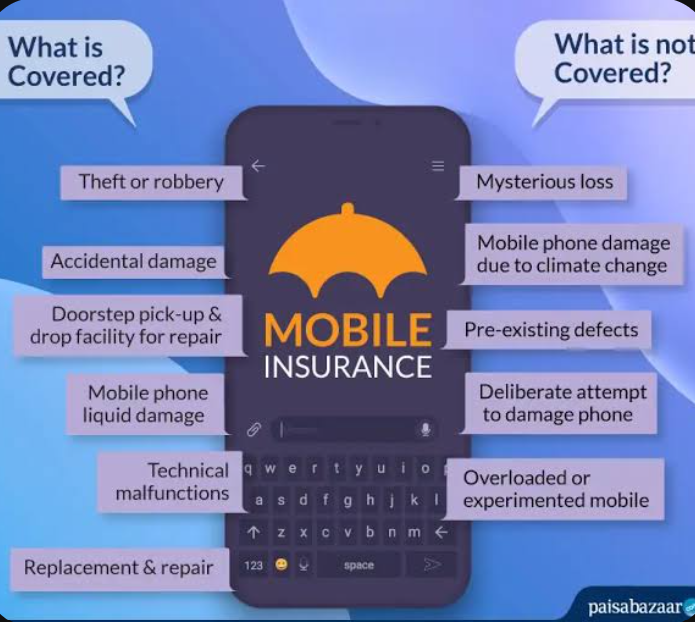
What Most Phone Insurance Policies Actually Cover
Insurance fine print gets confusing, especially since coverage depends heavily on whether you bought a standalone plan, added a rider to your home and contents policy, or got built-in protection through a credit card.
| Coverage Type | What Is Typically Included | Common Exclusions |
| Accidental Damage | Cracked screens, smashed back glass, heavy drops, and liquid exposure. | Cosmetic scuffs, light surface scratches, or general wear. |
| Theft & Loss | Robbery or forced entry theft (requires an official police report). | Leaving your phone behind at a venue or “unexplained loss.” |
| Hardware Failure | Post-warranty electrical faults and component breakdowns. | Intentional damage, unauthorised modifications, or battery degradation. |
Myth vs Fact: Does Repairing Void a Claim?
Myth: Taking your phone to a third-party repair shop instantly voids your insurance coverage.
Fact: Not automatically. Under Australian Consumer Law, getting a phone fixed at an independent shop doesn’t automatically cancel your policy, but how the repair happens matters for future claims.
Insurers require replacement parts and workmanship to meet basic safety and technical standards. If an inexperienced shop installs subpar aftermarket parts or damages the logic board, your insurer can refuse future claims related to that specific fault. That said, taking your phone to a reputable technician for an initial damage assessment or itemised quote isn’t just allowed—most insurers require it before approving a claim.
What You Need for a Successful Claim
Insurers don’t process claims on goodwill. If you want your claim approved on the first attempt without endless back-and-forth emails, gather these documents upfront:
- Proof of Ownership: The original tax invoice, purchase receipt, or telco plan agreement clearly listing the device IMEI number.
- Incident Summary: A brief note detailing exact timing, location, and how the damage occurred.
- Police Reference Number: Mandatory within 48 hours of the event if you are claiming theft.
- Written Technician Assessment: An official quote from a recognised repair technician outlining the physical damage, required parts, and total repair cost.
Insurance Excess vs Just Paying for Repair — Which Is Cheaper?
Filing a claim isn’t always the smart move financially. Every Australian policy includes an excess fee—the mandatory out-of-pocket amount you pay every time you file a claim.
Total Out-of-Pocket Insurance Cost = (Monthly Premium × 12) + Claim Excess Fee
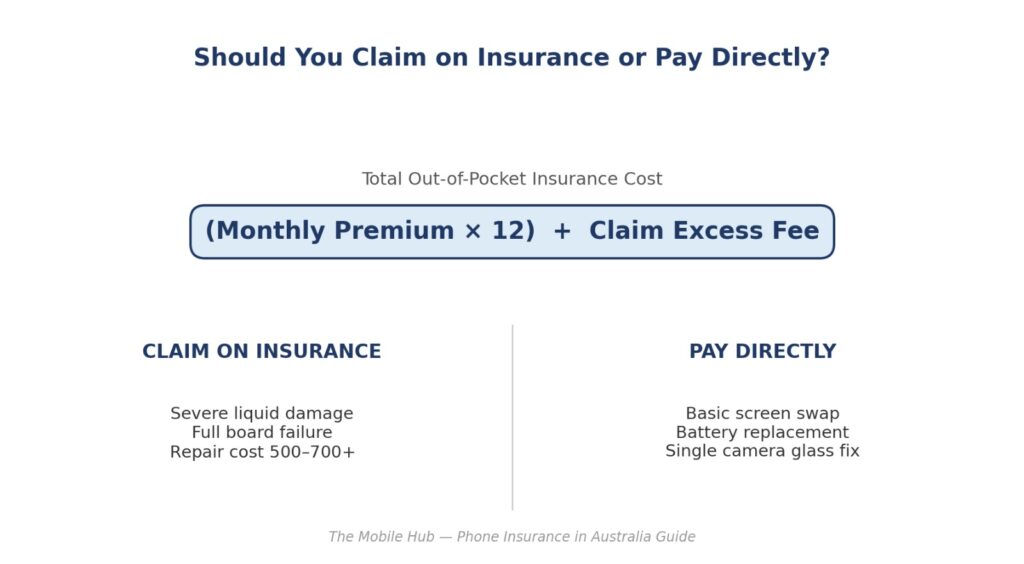
How to Decide:
- When to Claim: Severe liquid corrosion, complete board failure, or damage to a brand-new $2,000+ flagship phone. If total repair costs blow past $500–$700, paying the excess makes total sense.
- When to Pay Directly: Basic screen swaps, dead batteries, or single camera glass replacements. Out-of-warranty repair costs for simple fixes are often lower than your policy’s claim excess. Paying out of pocket also stops your policy premiums from jumping up next year.
How We Help With Insurance Reporting
Filing claims and jumping through insurer hoops takes time you likely don’t have. At The Mobile Hub, we take the friction out of the process by supplying formal written assessments tailored directly to insurance standards.
We inspect your device, isolate the damage, write up itemised quotes, and provide clear documentation stating whether a repair or full replacement makes the most sense. Bring your damaged phone to us, and we’ll arm you with everything your insurer needs to sign off on your claim.
FAQs
What is the difference between a manufacturer warranty and phone insurance?
A warranty only covers factory defects and hardware failures within the set warranty period. Insurance steps in for user accidents—drops, liquid spills, cracked glass, and theft.
How long does an insurance claim take to settle?
Most Australian insurers take 3 to 7 business days to review and approve a claim once all documentation and repair quotes are submitted.
Can I pick my own repair shop for an insurance claim?
Many policies allow independent quotes, though some insurers require you to use their preferred repair network. Check your policy guidelines before authorizing any work.
What happens if my insurer rejects my claim?
You can usually request a review or lodge a formal complaint with the insurer first. If that doesn’t resolve it, the Australian Financial Complaints Authority (AFCA) handles disputes between consumers and insurers at no cost to you.
Does phone insurance cover a phone that’s already showing wear and tear?
Generally no — most policies exclude pre-existing damage and gradual wear like battery degradation or scratched glass from normal use. Coverage is for a specific accidental event, not ongoing deterioration.